
Tokyo Neighborhoods & Districts Map
Interactive Tokyo neighborhoods map: see where Shibuya, Shinjuku, Asakusa, Ginza and other districts sit, what each is known for and where to stay.
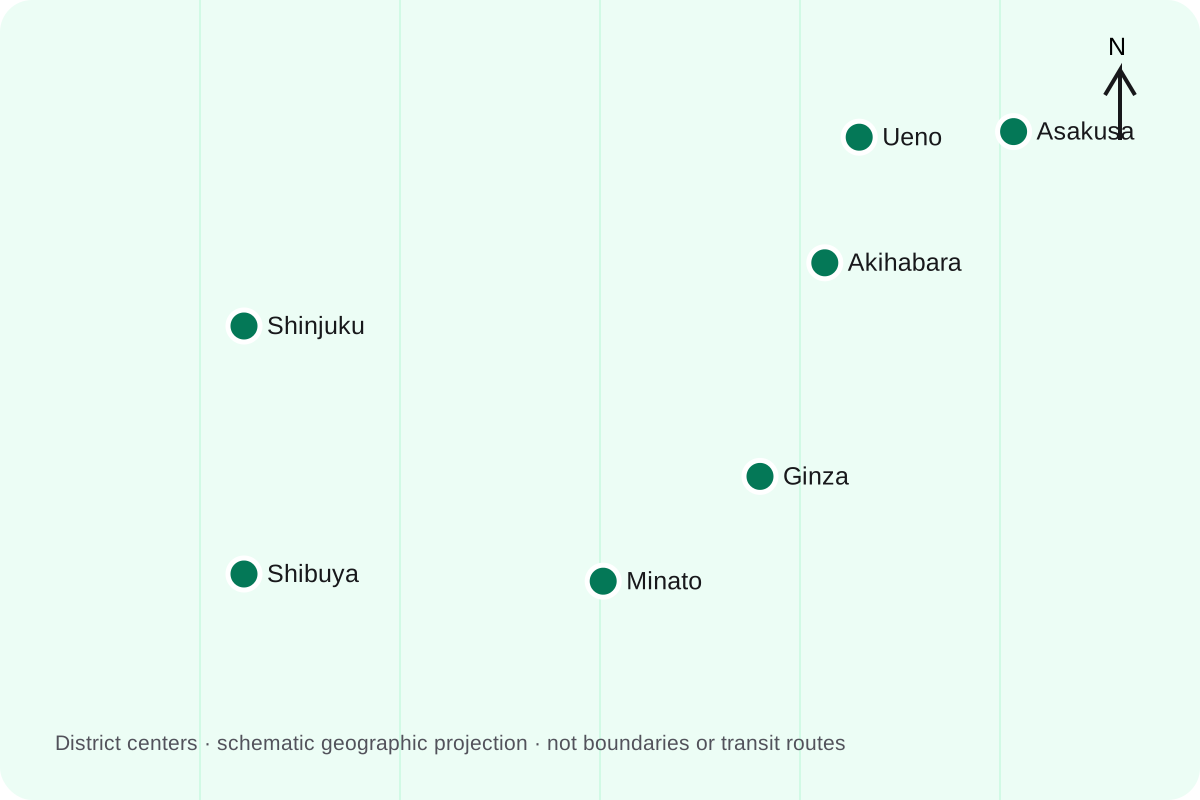
Tokyo does not have one hotel or sightseeing center that fits every trip. This map connects seven travel areas so you can understand their relationship before choosing a base. A ward is an administrative unit; a neighborhood is a more local or practical place name. Tokyo has 23 special wards, but these seven groups are a curated selection. Asakusa and Ueno both belong to Taito ward, while our Asakusa sightseeing group also reaches Skytree in Sumida.
Explore Tokyo districts
Shinjuku 新宿
Tokyo's busiest district: neon-lit entertainment alleys, calm gardens, giant department stores and one of the world's largest stations.
Best for: Nightlife, Gardens, City views, Dining
Select a place with the keyboard
Tokyo districts at a glance
Use the ward column for address context and the travel-area column for planning. An attraction can sit in a different ward from the neighborhood with which we group it. The guide links below explain the individual places and connect them to the existing 3D map.
| District | Ward | Known for | Main stations | Best for | Guide |
|---|---|---|---|---|---|
| Shinjuku | Shinjuku | Busy, varied and bright after dark | Shinjuku: JR Yamanote and Chuo; Marunouchi subway. Shinjuku-sanchome: Fukutoshin. | Varied first trips and dining | Shinjuku guide |
| Shibuya | Shibuya | Youthful shopping and evening energy | Shibuya: JR Yamanote; Ginza, Hanzomon and Fukutoshin subway lines. | Shopping, couples and nightlife | Shibuya guide |
| Asakusa | Taito; Skytree nearby is in Sumida | Temple streets and river walks | Asakusa: Ginza and Toei Asakusa lines. Tawaramachi: Ginza Line. | Old Tokyo and value-minded stays | Asakusa guide |
| Ginza | Chuo | Polished shopping, dining and theater | Ginza: Ginza, Marunouchi and Hibiya lines. Yurakucho: JR Yamanote. | Luxury shopping and dining | Ginza guide |
| Ueno | Taito | Museums, park paths and market streets | Ueno: JR Yamanote; Ginza and Hibiya lines. Keisei-Ueno: Skyliner. | Museums, families and budgets | Ueno guide |
| Akihabara | Main Electric Town area: Chiyoda | Electronics, anime, games and arcades | Akihabara: JR Yamanote and Chuo-Sobu; Hibiya Line. Suehirocho: Ginza Line. | Games, electronics and focused shopping | Akihabara guide |
| Minato | Minato | Tower landmarks and varied station areas | Kamiyacho and Roppongi: Hibiya Line. Akabanebashi and Roppongi: Oedo Line. | Tower views and a specific hotel choice | Minato guide |
Understand each district
Shinjuku
Shinjuku sits on the western side of this central Tokyo selection. Use its center marker to compare the station area with Shinjuku Gyoen and the metropolitan government buildings. The map does not outline the administrative ward or every street associated with the Shinjuku name. Looking at the stops together helps you avoid planning a garden visit as if it were beside every hotel advertised in the district. For a first trip, this is a useful all-round sightseeing base; for a quieter stay, inspect the hotel's surroundings separately. The map's point is a starting reference, not a recommendation for one exact hotel block.
Shibuya
Shibuya is south of Shinjuku in the western part of the illustrated map. Its central marker clusters around the crossing and station, while the wider guide includes the shrine and park toward Harajuku. That distinction is helpful when comparing a lively station-side base with a day that includes calmer places. Select individual attractions to see how the group spreads out; a neighborhood name alone does not describe every walk. Shibuya's guide emphasizes shopping, street photography and evenings out. If those are priorities, use the hotel-area section to check the tradeoffs before choosing a room rather than assuming the busiest address is automatically best.
Asakusa
Asakusa anchors the northeastern side of our map near the Sumida River. Senso-ji, the approach streets and Kaminarimon form the temple-focused part of the group; Skytree is a separate attraction across the river. Administratively Asakusa is in Taito, while Skytree is in Sumida. We keep them together as a travel-planning area because visitors may combine them, not because their ward boundaries match. Use the full map to inspect each marker before assigning a hotel to the same walking route. Asakusa particularly suits travelers who want temple visits and traditional streets to frame the day, while the western nightlife areas deserve a separate transport check.
Ginza
Ginza sits on the eastern side of central Tokyo in this selection, south of the Tokyo Station marker. Its main shopping streets, Kabukiza and the food-market interests in our guide make a useful cluster, while Tokyo Station is a separate stop. Ginza is a neighborhood in Chuo ward; the larger administrative name is useful for an address but does not replace the hotel street or station exit. Use the map to understand the relationship before combining shopping with an onward rail journey. This guide recommends Ginza for dining and upscale browsing, rather than assuming that every first-time visitor should pay more to stay in a famous shopping area.
Ueno
Ueno is northwest of Asakusa and north of Akihabara on our central Tokyo diagram. The park and museum stops form one part of the sightseeing group, and Ameyoko adds a market-oriented route on the station side. Both Ueno and Asakusa are in Taito ward, yet they create different hotel and sightseeing experiences. A shared ward name does not make their entrances or daily journeys identical. Select the museum and park markers to see how you might group a day with breaks rather than treating every attraction as one long checklist. Ueno can be a practical family or value-minded base when those interests match your trip.
Akihabara
Akihabara lies south of Ueno in our eastern cluster. The Electric Town marker identifies the shopping interest, while Chuo-dori, Mandarake and Kanda Myojin add different stops around the area. The main Electric Town portion is in Chiyoda, although the neighborhood name is used more broadly than one simple boundary. Our map shows curated centers and places rather than an official ward polygon. Use it to work out whether your interests cluster closely enough to justify a specialist shopping base. You can also visit Akihabara as part of an eastern Tokyo day while sleeping elsewhere; a strong theme is useful only if you expect to use it.
Minato
Minato is represented by a center around Tokyo Tower in this guide. Unlike Ginza or Asakusa, the same name also refers to a large administrative ward. The diagram does not imply that every Minato hotel is beside the tower or that Roppongi shares one compact station area with it. Tokyo Tower and Zojo-ji are the two curated places in this group, giving you a manageable starting point for a sightseeing half-day. Inspect an exact hotel address before applying this district label to a stay. A useful station-side location and a hotel you like matter more here than selecting the entire ward as though it were one neighborhood.
Tokyo district map with attractions
All 30 places in the current Tokyo pack are linked below. The groups follow our editorial district data so you can reproduce the same selection in the 3D map. They are not a list of every attraction within an administrative ward.
Shinjuku
How the districts connect
The JR Yamanote Line joins several station areas in this guide: Shinjuku, Shibuya, Akihabara and Ueno, with Yurakucho useful for the Ginza side. Asakusa instead has Ginza Line and Toei Asakusa Line access. Ginza's subway connections offer a different way to organize a day, while a Minato hotel needs its exact nearest station checked. The official rail maps are better for transfer decisions than this schematic travel diagram.
Group stops that share an area, then check the journey between groups. A visually close pair of markers may still involve a river crossing, a different station entrance or a transfer. Do not interpret the spacing as a promised walking or train time. Leave room in your plan for meals and breaks, and verify the operator route for the date you travel before buying an onward ticket.
Turn the map into a hotel shortlist
Choose a base that fits the beginning and end of your typical day. A famous neighborhood may make an enjoyable visit without being the best hotel address for your trip. Compare room needs and actual station approaches alongside the atmosphere of each area.
Best area to stay in TokyoShibuya or Shinjuku for your hotel?Tokyo 3D map guide
Frequently asked questions
What are the main districts of Tokyo?
This guide compares Shinjuku, Shibuya, Asakusa, Ginza, Ueno, Akihabara and the Tokyo Tower area of Minato. They are a curated travel selection, not a complete list of Tokyo neighborhoods or administrative wards.
How many wards does Tokyo have?
Tokyo has 23 special wards. The wider metropolis also includes cities, towns and villages. A sightseeing neighborhood can be smaller than a ward or used across a ward boundary, so its travel label is not an official administrative outline.
Which Tokyo district is best for first-time visitors?
Shinjuku is our general hotel-base recommendation for a varied first trip. Shibuya fits shopping and evenings out, while Asakusa fits temple streets and old Tokyo. Choose according to your itinerary and the exact hotel address.
Is Ginza a district or a neighborhood?
Ginza is a neighborhood within Chuo ward. In this travel guide, district means a practical sightseeing area. It does not mean Ginza is one of Tokyo’s 23 special wards.
Can I see Tokyo's districts in 3D?
Yes. Load the interactive map, choose an area with its marker or the keyboard-accessible list, then open the full 3D map for place cards and playable itineraries. The original static diagram remains available without loading the interactive map.
Source & review
Last verified October 6, 2026. Hours, prices, access and closures can change. Check the operator’s site before your visit.
- Tokyo Metro Fukutoshin Line stations
- JR East metropolitan railway map
- Tokyo Metro Ginza Line stations
- Tokyo Metro Marunouchi Line stations
- Tokyo Metro Hibiya Line stations
- Tokyo Metro Hanzomon Line stations
- Toei Subway stations
- JR East Narita Express
- Keisei Skyliner
- Tokyo government area and ward guide
- Tokyo Metropolitan Government: 23 special wards